

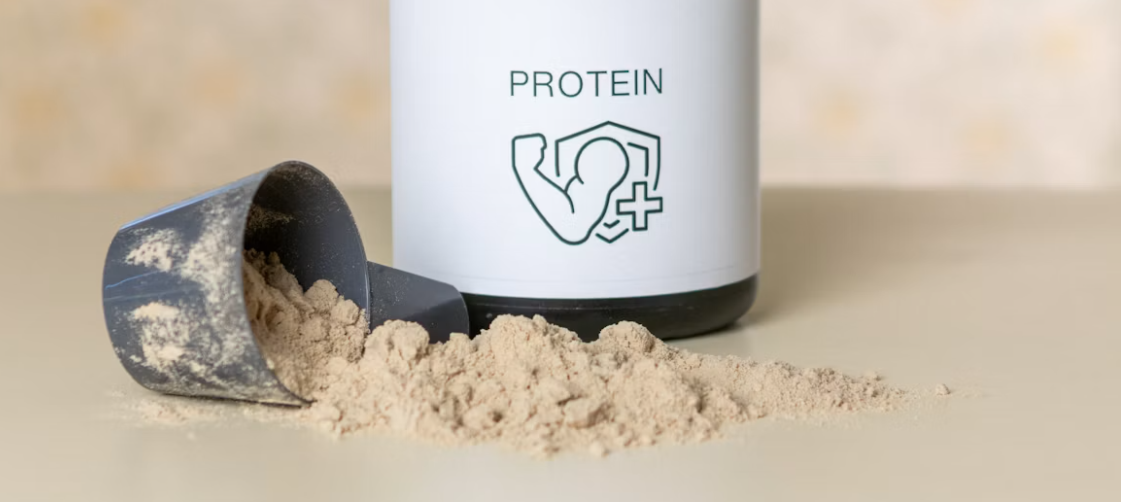
Driven by the global health consumption trend, natural fruit and vegetable powders are upgrading from traditional food ingredients to core functional raw materials in the health supplement industry. According to TechSci Research, the global fruit and vegetable powder market is projected to grow from $50.01 billion in 2025 to $69.66 billion in 2031, representing a CAGR of 5.68%. Strong demand in the nutritional supplement and dietary supplement sectors is the core growth engine. A survey by the U.S. Council for Responsible Nutrition shows that 75% of Americans use dietary supplements, a high penetration rate that directly drives demand for plant-based functional ingredients.
I. Processing Technology: The Battle Between Activity Retention and Industrial Efficiency
Drying processes are a key factor determining the quality of fruit and vegetable powders. Vacuum freeze-drying, through low-temperature dehydration, can retain over 95% of heat-sensitive active ingredients—studies show that freeze-dried samples can retain over 90% of polyphenolic compounds. However, its high energy consumption and equipment investment limit its application primarily to high-value-added health products. Spray drying is the mainstream choice for industrial production: high efficiency, large capacity, and controllable cost. However, it typically retains less total phenols and flavonoids than freeze-drying, and its antioxidant activity is correspondingly lower. Notably, a 2024 study published in *Molecules* showed that, with the assistance of appropriate carriers (such as trehalose and maltodextrin), spray drying has achieved powder quality that rivals freeze-drying. This advancement provides health food companies with a more flexible technological path balancing cost and quality.
II. Steady-State Encapsulation: Overcoming the Bioavailability Bottleneck
Polyphenols, anthocyanins, and other active ingredients are highly susceptible to degradation during processing, storage, and digestion, resulting in low bioavailability, a long-standing problem in the industry. Encapsulation technology offers an effective solution. For example, using raspberry extract microbeads and encapsulation matrices such as alginate combined with pea protein isolate, the bioavailability of total phenols can reach 93.14%. In vitro digestion studies of camu camu powder also show that the recovery rate of its bioactive compounds can be increased to 60.8%. Microencapsulation research on aronia berry extract has achieved encapsulation efficiencies of 73%–97% for total polyphenols and 63%–96% for anthocyanins. These technological breakthroughs make it possible for fruit and vegetable powders to transform from "flavor enhancers" to "functional mainstays."
III. International Application Innovation: From Supplements to Functional Foods
The international market for fruit and vegetable powder applications is increasingly active. In 2025, Caldic North America partnered with KAIBAE to distribute organic baobab fruit powder in North America—its vitamin C content is six times that of oranges, and its fiber content is five times that of oats, making it widely applicable in dietary supplements, functional beverages, sports nutrition, and beauty foods. In the same year, fitness giant LifeTime launched NOURISH drinkable multivitamin green fruit and vegetable powder, containing 23 essential vitamins and minerals, and compounded with probiotics, digestive enzymes, and coenzyme Q10. British startup Nutrapharma focuses on supply chain transparency "from farm to capsule," utilizing surplus fruits and vegetables to produce high-protein nutritional powders. Tomato powder and watermelon powder, rich in lycopene and citrulline, are also attracting attention in the field of cardiovascular disease prevention.
IV. Regulatory Challenges: Compliance Becomes a Hard Barrier to Market Entry
Plant-based raw materials such as fruit and vegetable powders face increasingly stringent regulatory requirements for entering the international market. In the United States, the FDA regulates dietary supplements under DSHEA, requiring new plant ingredients to submit New Dietary Ingredient (NDI) notifications. In the European Union, the New Food Regulation (EU 2015/2283) requires plant ingredients with no significant history of consumption before 1997 to undergo premarket safety assessments. In April 2025, the European Court of Justice ruled to ban all of the more than 1,500 pending plant health claims. Meanwhile, the FDA's cGMP modernization guidelines for dietary supplements, effective in 2025, tightened pesticide residue limits for plant extracts by 30%–50%. For companies with a global presence, establishing comprehensive compliance documentation covering all target markets has become an indispensable core competency.
V. Outlook
The globalization of natural fruit and vegetable powders in the health supplement industry is accelerating. With continuous breakthroughs in key technologies such as low-temperature drying and precise encapsulation, and the increasingly完善 global regulatory framework, this industry is expected to unleash greater potential in the fields of precision nutrition and functional foods. From superfoods to daily nutritional supplements, natural fruit and vegetable powders are writing a new chapter in the green transformation of the global health supplement industry with their unique nutritional and industrial value.