

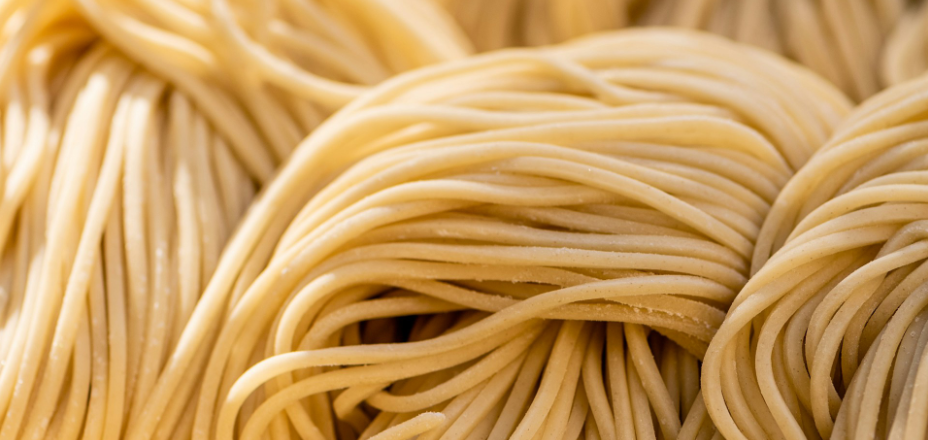
From a bowl of golden noodles to a pink steamed bun, and a plate of colorful dumplings—color is changing the face of traditional pasta. In the past, these colors mostly came from artificial synthetic pigments; now, a "natural color revolution" is quietly unfolding in the pasta industry. Natural plant pigments are emerging from fruit and vegetable juices, grains, and plants, giving everyday staple foods such as noodles, steamed buns, and dumpling wrappers natural, safe, and appetizing colors.
Market-Driven: The "Pigment Revolution" in the Pasta Sector
Pasta is a staple food, and the demand for color upgrades is growing rapidly. Consumers have an extreme pursuit of "clean labels" and healthy eating. Approximately 70% of global consumers explicitly stated that they prefer to buy products labeled "contains natural pigments," "pigments derived from nature," or "pigments extracted from fruits and vegetables." In the pasta industry, consumers are particularly meticulous about ingredient lists—they want to know whether that red hue comes from beetroot or is chemically synthesized, and whether that yellow hue comes from gardenia or is an artificial dye.
Common Natural Plant Pigments in Pasta Products
Pastry products are diverse, and different categories have different needs for pigments. Here are some types of natural plant pigments widely used in pasta products:
Yellow Series: Gardenia Yellow and Beta-Carotene
Gardenia yellow is a water-soluble natural pigment extracted from gardenia fruit, and it is safe and non-toxic. Gardenia yellow is frequently seen in the ingredient lists of instant noodles—it gives the noodles an appealing golden yellow color. Studies indicate that gardenia yellow can be used in more than 20 types of food, including pasta products, pastries, biscuits, and candies. However, it should be noted that gardenia yellow may cause green discoloration when used in pasta products, requiring technical preventative measures.
Beta-carotene provides a natural orange-yellow color, is heat-resistant, and is suitable for various pasta products.
Red Series: Beetroot Red and Red Yeast Rice Red
Beetroot red, extracted from red beets, imparts a vibrant red to purplish-red hue to pasta. Studies show that adding beet pulp significantly increases the redness and total beetroot pigment content of noodles. However, beetroot red is sensitive to heat, oxygen, and light, limiting its application. Through stabilization technologies such as microencapsulation, the thermal stability of beetroot red can be significantly improved—after heating at 90℃ for 20 minutes, the retention rate of microencapsulated pigment reaches 68.13%.
Red Yeast Rice Red is a traditional natural pigment produced by the fermentation of Monascus purpureus and is widely used in meat products, pasta products, and seasonings. In pasta, red yeast rice powder is commonly used to make red yeast rice noodles, red yeast rice steamed buns, and red yeast rice biscuits. Red yeast rice pigment not only has excellent coloring effects but also good antibacterial properties.
Purple Series: Anthocyanins
Anthocyanin pigments are derived from plants rich in anthocyanins, such as purple sweet potatoes, purple cabbage, blueberries, and mulberries. Anthocyanins from purple sweet potatoes can be used to make purple dumpling wrappers—studies show that adding an appropriate amount (0.1%~0.4%) can interact with gluten proteins, increasing the order and stability of the gluten network and thus strengthening the gluten. Mulberry fruit powder and black rice anthocyanins are also commonly used for coloring fermented dough products such as steamed buns.
Green Series: Chlorophyll and Fruit & Vegetable Powders
Natural ingredients rich in chlorophyll, such as spinach powder and leek powder, can bring a natural green color to pasta. Studies show that leek powder, as a natural pigment and nutritional fortifier, can be used to make new types of dried noodles. Adding an appropriate amount (around 10%) can give noodles an appealing color, aroma, and flavor. Spinach powder, due to the heat stability and good pH adaptability of chlorophyll, performs well in steamed and boiled pasta products such as noodles and steamed buns.
Other Natural Pigments
In addition, turmeric can be used for coloring pasta products and also has functional properties; the natural orange-yellow color of pumpkin powder can be used to improve the quality of whole wheat steamed buns; and cocoa shell color can be used in baked goods such as bread.
Technical Challenges and Solutions The application of natural plant pigments in pasta products is not without challenges, mainly in the following aspects:
Challenge 1: Thermal Stability. Pasta processing often involves high-temperature treatments such as steaming, boiling, and baking. Some natural pigments are prone to fading or discoloration at high temperatures. For example, beetroot red is heat-sensitive and easily degrades during the steaming or boiling process of pasta.
Solution: Microencapsulation technology is one of the most effective methods currently available. Studies have shown that through antioxidant-polysaccharide complexes, coating technology, and microencapsulation technology, the thermal stability of beetroot red pigment can be comprehensively improved, and it has been successfully applied to pasta products. Microcapsules loaded with beetroot red pigment can still maintain good color after being boiled in boiling water for 12 minutes.
Challenge 2: pH Sensitivity. Anthocyanin pigments exhibit different colors under different pH conditions—leaning red in acidic environments, purple in neutral environments, and blue in alkaline environments. Changes in pH during pasta processing can affect the final color.
Solution: Control the pH environment of the dough in the formula design, or select pigment varieties with better pH adaptability. Studies have found that adding appropriate amounts of tryptophan and other colorants can significantly improve the color stability of anthocyanin-enriched dough.
Challenge Three: Color Change During Processing. Gardenia yellow is prone to turning green when used in noodle products; some vegetable juices are prone to browning or fading after heating.
Solution: Controlled through process optimization and formula adjustment. For example, choosing low-temperature ground fruit and vegetable powders instead of freshly squeezed juice can improve pigment stability.
Brand Practice: Natural Pigments Are Taking Root in the Noodle Industry
More and more noodle brands are embracing natural pigments.
Suiping Tonghua Noodles Industry, leveraging its independently developed patented technology, has launched anthocyanin-enriched steamed buns—the core ingredient is blue wheat, rich in anthocyanins, with an anthocyanin content 7.7 times higher than that of blueberries. This innovation gives traditional staple foods both nutritional value and visual appeal.
Kaiping Handmade Flower Buns stores adhere to green and healthy standards, abandoning artificial synthetic pigments and using natural fruit and vegetable juices such as pumpkin, spinach, and purple sweet potato for coloring, giving noodles rich colors with natural ingredients.
Daotian Village's colorful butterfly noodles, made with purple sweet potato powder, pumpkin powder, and spinach powder, boast a variety of natural colors. The product contains no food additives and meets the nutritional needs of infants and young children.
These examples demonstrate that the application of natural pigments in pasta has moved from a "concept" to a "product," and from a "niche" to a "mass market."
Let every bite of pasta be "naturally colored"
From the golden yellow of gardenia to the crimson of beetroot, from the deep purple of anthocyanins to the emerald green of chlorophyll—nature provides the pasta industry with a rich and safe palette.
Driven by rising consumer health awareness, stricter regulatory policies, and technological breakthroughs, natural plant pigments are moving from "alternatives" to "preferred solutions" in the pasta sector. For pasta companies, embracing natural pigments is not only a choice to meet consumer demand but also a strategic direction to enhance product value and build brand trust.
Let the golden yellow of noodles come from gardenia, the pink of steamed buns from beetroot, and the emerald green of dumplings from spinach—let every bite of pasta be "naturally colored."