

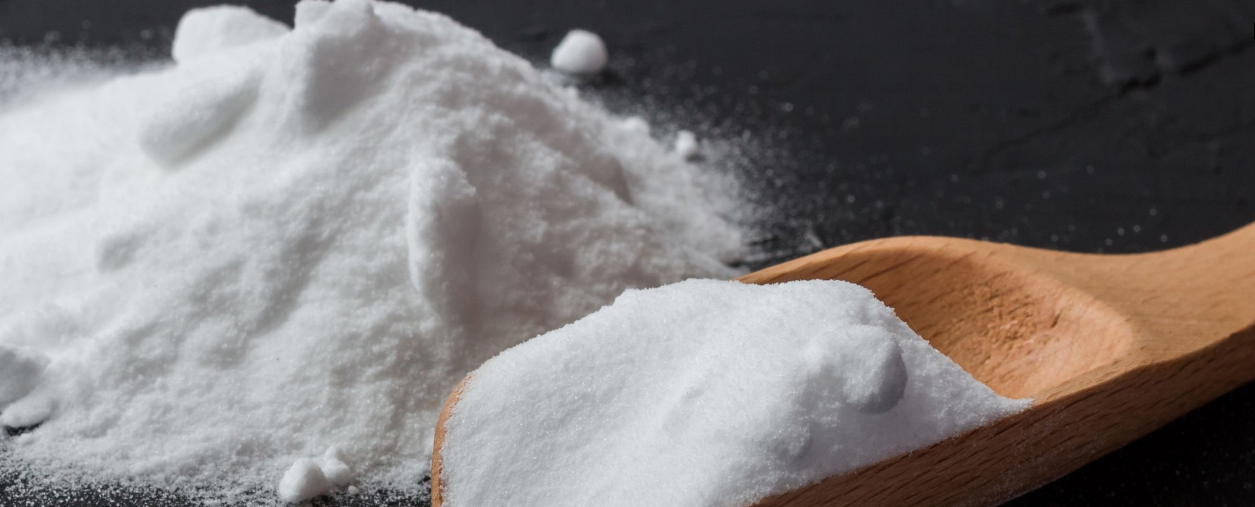
Amid the global trend toward healthy eating and sugar reduction, the food industry is constantly searching for sweetening solutions that perfectly balance health and deliciousness. D-allulose, an emerging rare sugar, is emerging as a star ingredient in this revolution with its unique advantages, offering new hope to food and beverage manufacturers and consumers.
The Significance of D-Allulose in the Food Industry
D-allulose is a naturally occurring monosaccharide found in foods such as figs, raisins, and wheat, but in extremely low concentrations. Currently, it can be produced on a large scale through bio-enzymatic conversion technology (typically using fructose as a raw material). Its significance to the food industry lies in the following aspects:
1. Excellent Health Attributes: Meeting Core Consumer Needs
Nearly Zero Calories: Allulose has a very low absorption rate, with most of it excreted in urine. With only approximately 0.3% of the calories of sucrose, it is a "zero-calorie" sweetener, making it an ideal choice for weight management and low-calorie products.
No Impact on Blood Sugar and Insulin: The human body metabolizes allulose differently than regular sugar, resulting in no significant increase in blood sugar levels and virtually no effect on insulin secretion. This is a game-changer for diabetics and those following ketogenic and low-carb diets.
Potential Prebiotic Effect: Some studies suggest that allulose may help regulate intestinal flora and promote the growth of beneficial bacteria, thereby positively impacting gut health.
2. Excellent Processability: Empowering Product Innovation
Sugar-like Sweetness and Mouthfeel: Allulose has approximately 70% the sweetness of sucrose, offering a pure, refreshing sweetness without the bitter or chemical aftertaste found in many high-potency sweeteners. It provides a taste experience closest to that of real sugar.
Maillard Reaction and Browning Properties: Unlike many non-nutritive sweeteners, allulose undergoes the Maillard reaction when heated, imparting an attractive golden color and characteristic toasted flavor to baked goods. This is crucial to the quality of baked goods.
Freezing Point Lowering and Texture Improvement: In frozen desserts like ice cream and yogurt, allulose can effectively lower the freezing point and prevent ice crystal formation, resulting in a smoother, creamier texture.
Moisture Retention and Shelf Life Extension: Its excellent moisture retention helps breads and pastries maintain their softness, delaying staling and hardening, and thus extending their shelf life.
3. Precise Sugar Reduction Solutions: Responding to Global Policy Calls
Faced with the "sugar tax" policies implemented in many countries and regions around the world, food companies face immense pressure to reduce sugar. Allulose can serve as a 1:1 sugar replacement, significantly reducing added sugar content and total calories in products without sacrificing taste and texture, helping companies easily meet regulatory challenges.
In summary, the significance of D-allulose lies in its ability to break down the traditional barriers between "healthy" and "delicious." More than just a sweetener, it is a versatile food ingredient that can help the industry develop next-generation foods and beverages that meet health needs without compromising flavor and texture.
Approval Status of D-allulose in Various Countries/Regions Worldwide
The regulatory approval status of D-allulose varies globally. The following is a summary of the status in major markets:
1. Major Markets with Full Approval
The United States: This is the most important market for allulose. The US FDA has affirmed its GRAS (Generally Recognized as Safe) status. Crucially, allulose is not counted as "total sugars" or "added sugars" on nutrition labels, greatly encouraging its use in reduced-sugar products.
Japan: This is a pioneer in allulose. Japanese researchers discovered its physiological properties as early as the 1990s and approved its use in 2003. The Ministry of Health, Labour and Welfare of Japan classifies it as a "non-sugar" sweetener, which does not affect the sugar content displayed on food labels.
Canada: Health Canada has approved allulose for use as a food ingredient in various foods.
Singapore: The Singapore Food Agency has approved allulose for use as a food ingredient.
Mexico, Brazil, and other Latin American countries have also approved its use.
2. Approval Status in European Countries
EU: To date, D-psicose has not been formally approved throughout the EU. Its novel food application is currently under evaluation by the European Food Safety Authority. Although EFSA reached a preliminary conclusion in 2022 that its use is safe, final legislative approval still requires the European Commission and member states, a process that is still ongoing. Therefore, the sale of foods containing D-psicose is still not permitted in the 27 EU member states.
3. Approved Regions with Specific Regulations
South Korea: The South Korean Ministry of Food and Drug Safety has approved the use of allulose in foods. However, it must be included in the "total sugars" column on nutrition labels, which has certain implications for product marketing.
4. Major Markets Under Review or Not Yet Approved
Australia and New Zealand: Food Standards Australia New Zealand is currently evaluating the application for D-psicose as a novel food ingredient and has not yet approved it.
China: The Chinese market has enormous potential. The National Health Commission of China has accepted the application for D-psicose as a novel food ingredient and is currently conducting a technical review. The industry is widely anticipating its approval in the near future, which will bring new sugar reduction opportunities to the Chinese food industry.
With the continued rise in global health awareness and in-depth scientific research, D-allulose holds a promising future. While regulatory progress varies from country to country, its exceptional properties ensure it will become an indispensable component of the future healthy food landscape. Once approved in key markets such as the EU and China, allulose is poised for explosive growth, ushering in a new era of healthier, more delicious foods for the global food industry.