


Driven by the global trend toward healthy eating, the beverage industry is undergoing unprecedented formulation innovation. At the heart of this transformation, steviol glycosides, with their natural properties and superior technical characteristics, are reshaping the beverage development paradigm. This natural sweetener, derived from the stevia leaf, not only perfectly aligns with today's consumer demand for clean labels, but also offers beverage manufacturers a breakthrough sugar reduction solution.
From a technical perspective, steviol glycosides offer unique application advantages. High-purity rebaudioside A (Reb A) can be up to 250 times sweeter than sucrose and maintains excellent stability across a wide pH range. Recent research demonstrates excellent thermal stability in beverage systems with a pH range of 2.5-8.0, with a retention rate exceeding 98% after short-term heat treatment at 100°C. These properties make them suitable for a wide range of product systems, from acidic carbonated beverages to neutral plant-based protein beverages.
Notably, electronic tongue analysis and sensory evaluation have revealed that when steviol glycosides are combined with appropriate amounts of sucrose or sugar alcohols, their sweetness profile can be significantly improved, bringing the taste closer to that of traditional sugary beverages. For example, a specific ratio of 5% sucrose to steviol glycosides can reduce bitter taste receptor activation by 72%, providing scientific evidence for taste optimization.
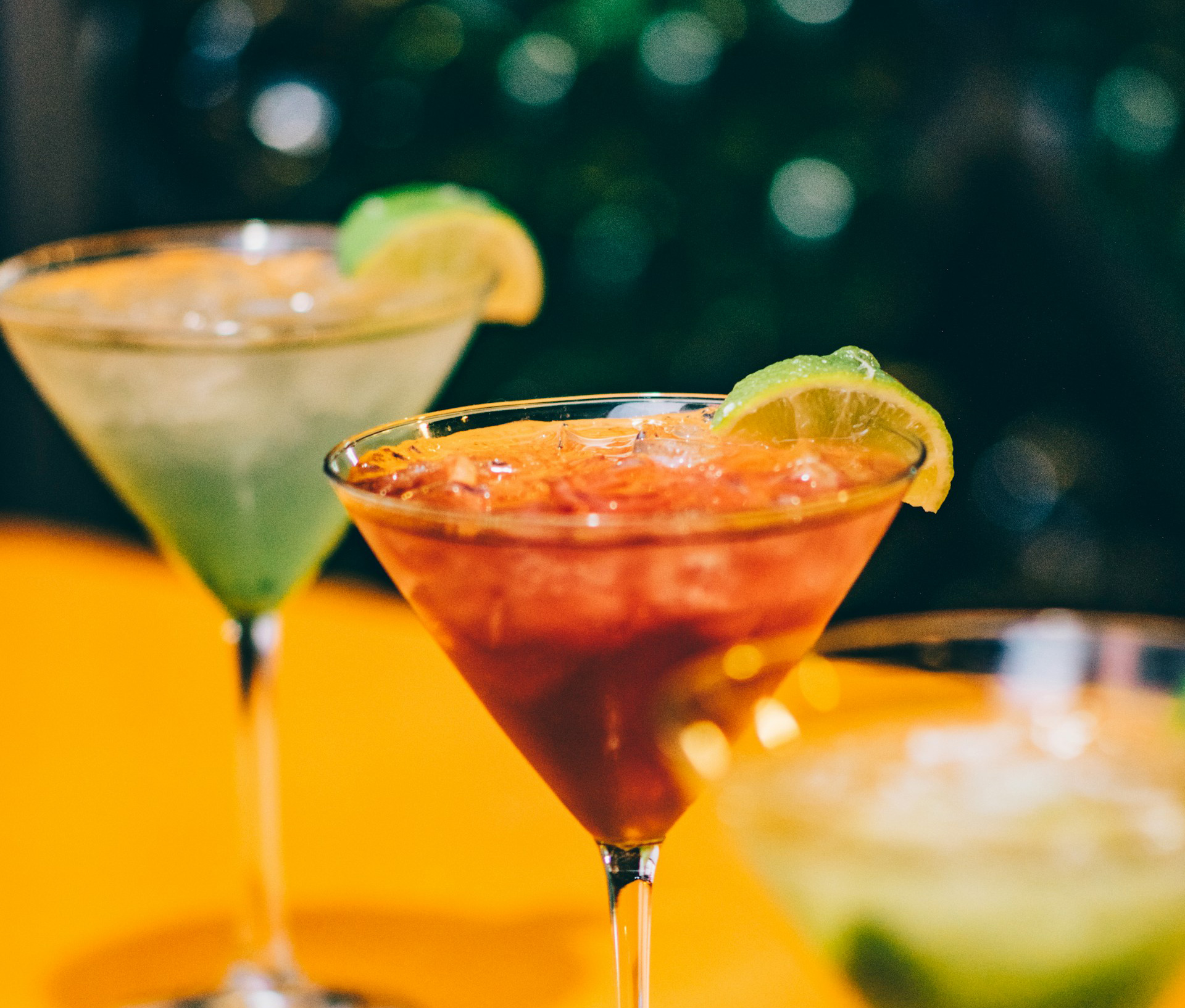
In practical applications, steviol glycosides have successfully penetrated various beverage segments. In carbonated beverages, mainstream brands generally use 80-120 ppm of steviol glycosides combined with trace amounts of sucrose, achieving sugar reduction while maintaining a classic taste. Juice beverages tend to use 50-80 ppm of steviol glycosides in combination with juice concentrate, reducing sugar content while preserving the authentic fruit flavor.
Tea beverages are even more innovative. Through the precise combination of steviol glycosides and theanine, they effectively mask bitterness and create a unique sweet aftertaste. A leading Japanese brand's application demonstrates that this combination increases overall tea beverage acceptance to 87%. In the functional beverage sector, the innovative combination of steviol glycosides and dietary fiber not only meets the demand for zero sugar but also enhances the product's health profile, creating new opportunities in the "sugar reduction plus" category.
Looking ahead, the application of steviol glycosides in the beverage industry will demonstrate three major technological trends.
First, the industrial production of rare glycoside ingredients such as Reb D and Reb M will overcome taste bottlenecks. These ingredients will have sweetness properties closer to sucrose with virtually no aftertaste.
Second, advances in biosynthesis technology will significantly improve production efficiency and product consistency. Currently, yeast cell factories have achieved a 300% increase in production efficiency compared to traditional methods.
Finally, the rise of intelligent formulation systems will transform traditional development models. AI-based flavor prediction models have achieved an accuracy rate of 92%, providing a new tool for personalized beverage development. As these technologies mature, the penetration of steviol glycosides in the beverage sweetener market is expected to grow significantly by 2026, with breakthrough innovations particularly evident in high-end functional beverages and personalized health drinks.