

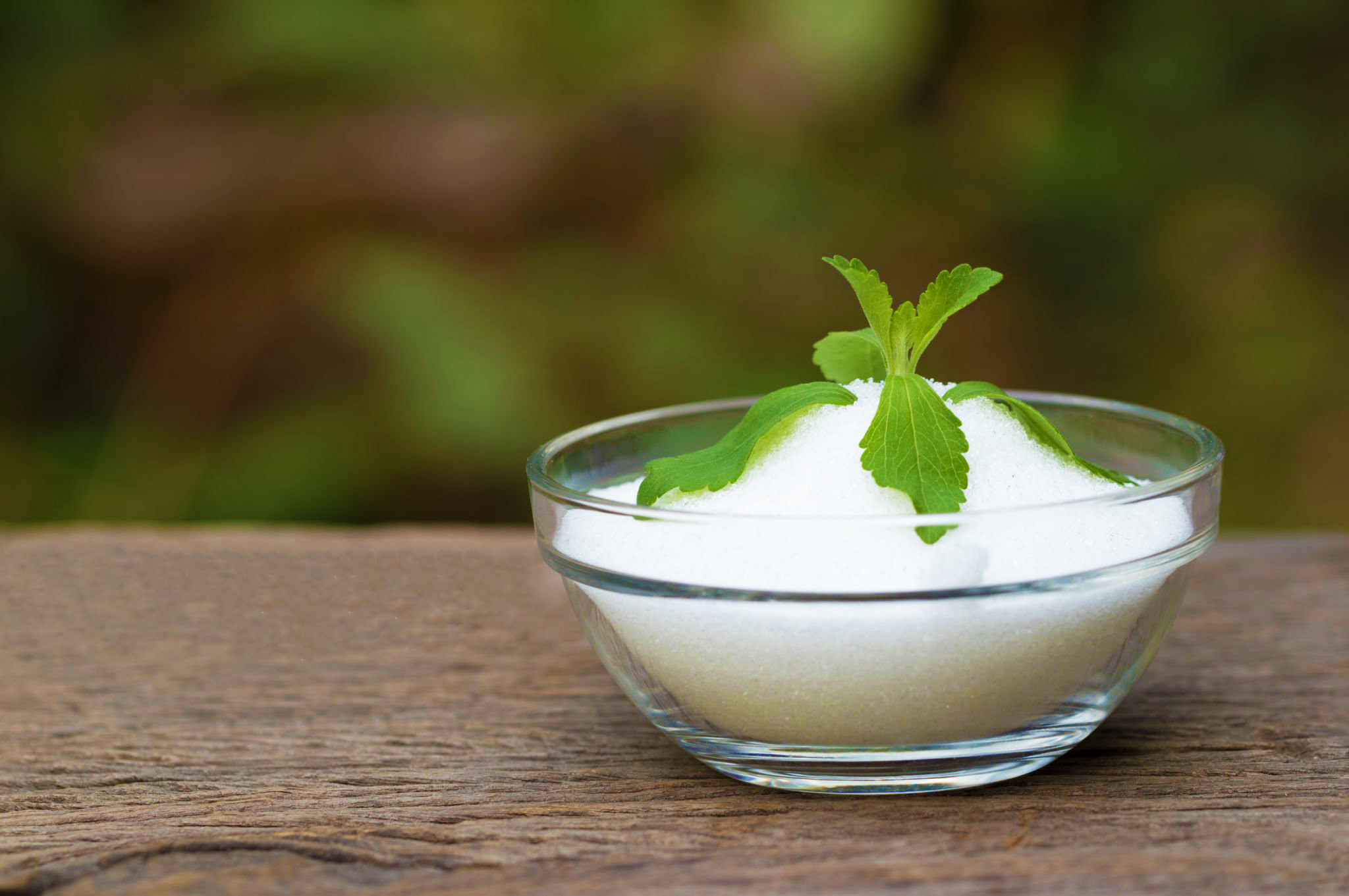
Stevioside, a natural, zero-calorie sweetener, has garnered widespread attention in the food industry in recent years. Research has shown that stevioside offers advantages such as high sweetness, low calories, and excellent stability, while also possessing multiple physiological activities such as blood sugar regulation and antioxidant properties. With increasing consumer demand for healthy foods and advances in extraction and purification technologies, stevioside demonstrates broad application prospects in beverages, dairy products, baked goods, and other sectors, and is expected to become a key sugar substitute in the future food industry.
With the continued rise in global obesity and diabetes rates, the search for safe and healthy sugar substitutes has become a crucial topic in food science. Stevioside, a natural sweetener extracted from the stevia plant (Asteraceae), can be 200-300 times sweeter than sucrose, yet contain virtually no calories. Since the US FDA approved stevioside as a food additive in 2008, its use in the global food industry has rapidly expanded.
I. Chemical Properties and Production Process of Steviosides
Steviosides are a class of tetracyclic diterpenoid glycosides composed of steviol and various sugar groups. Over 30 steviol glycoside components have been identified, with stevioside and rebaudioside A being the primary sweeteners. These compounds share a steviol backbone with varying numbers of glucose molecules linked by β-glycosidic bonds. The steviol backbone is composed of four isoprene units, making it a tetracyclic diterpenoid compound. This unique structure imparts high sweetness and metabolic stability.
The industrial production of steviol glycosides primarily involves three key steps: extraction, purification, and crystallization. Traditional water extraction involves hot water immersion of dried stevia leaves, followed by initial purification using macroporous adsorption resins. Modern processes incorporate advanced techniques such as membrane separation, chromatography, and enzymatic conversion. Enzymatic conversion, in particular, uses specific glycosyltransferases to convert less sweet and more bitter steviosides into rebaudioside components with a higher sweetness and better taste, significantly improving product quality. The crystallization process achieves high-purity steviol glycoside crystals by controlling temperature, pH, and solvent system.
II. Sensory Properties and Functional Advantages of Steviosides
The sensory properties of steviol glycosides vary depending on their composition. High-purity (>95%) rebaudioside A products have a pure sweetness close to sucrose, while those containing higher amounts of steviosides have a distinct bitter aftertaste and a licorice-like aftertaste. Steviosides are 200-300 times sweeter than sucrose, with a slower onset but longer duration. Compared to other high-intensity sweeteners such as aspartame and sucralose, steviol glycosides have a sweetness profile closer to sucrose, but require blending with other sweeteners or sugar alcohols to optimize taste.
From a functional perspective, steviol glycosides offer multiple health benefits. First, they are barely absorbed by the body and are not metabolized, so they do not cause blood sugar fluctuations, making them an ideal sweetener for diabetics. Secondly, research indicates that steviosides have potential health benefits, including antioxidant, anti-inflammatory, and gut microbiome regulation. Animal studies have shown that steviosides may promote insulin secretion by activating the TRPM5 pathway, thereby aiding blood sugar control. Furthermore, steviosides are tooth-friendly, prevent tooth decay, and are heat-resistant, acid-resistant, and alkaline-resistant, maintaining excellent stability during food processing.
III. Current Application of Steviosides in the Food Industry
In the beverage industry, steviosides have become an important sweetener for sugar-free products. Mainstream beverage brands such as Coca-Cola's "Zero" line and PepsiCo's "Diet" line have launched products containing steviosides. Because steviosides are stable in acidic conditions, they are particularly suitable for acidic beverages such as carbonated beverages and fruit juices. In dairy products, steviosides are compatible with lactose and milk protein and have been used in low-sugar yogurt, ice cream, and other products. By combining them with sugar alcohols such as erythritol, they can effectively mask the aftertaste and enhance the overall taste.
Baked goods are another important application area for steviosides. Although steviol glycosides don't provide the same volume and texture as sucrose, they can be successfully used in baked products such as biscuits and cakes when combined with bulking agents such as maltitol and dietary fiber. Notably, steviol glycosides are stable at high temperatures, making them suitable for baking processes. In condiments and preserved foods, steviol glycosides are used to reduce sugar content without affecting shelf life. Products such as low-sugar ketchup and low-sugar jam have been successfully commercialized.
IV. Market Prospects and Challenges of Steviol Glycosides
The global steviol glycosides market has maintained rapid growth in recent years, reaching approximately US$750 million in 2022 and projected to reach US$1.5 billion by 2028, a compound annual growth rate exceeding 12%. This growth is primarily driven by rising consumer health awareness, the implementation of sugar tax policies in various countries, and food companies' pursuit of clean-label products. The Asia-Pacific region is the largest producer and consumer of steviol glycosides. As a major stevia grower, China has a clear advantage in raw material supply.
However, the widespread application of steviol glycosides still faces some technical challenges. Taste optimization is a primary concern, addressed through ingredient purification, enzymatic conversion, and scientific compounding. Regulatory approvals and maximum usage limits for steviol glycosides vary across countries, requiring companies to tailor their formulations to specific markets. Furthermore, high production costs limit their use in affordable products. Future advancements in extraction and purification technologies and the emergence of scale-up effects are expected to further reduce the cost of steviol glycosides, leading to a continued expansion of their application.
V. Conclusion
As a natural, safe, zero-calorie, and highly effective sweetener, steviol glycosides offer unique advantages in the development of healthy foods. Current research demonstrates that optimizing the extraction process and increasing rebaudioside A content can significantly improve their sensory qualities. In food industry applications, appropriate compounding and processing techniques can fully leverage the functional properties of steviol glycosides. Despite challenges related to taste, cost, and regulations, with technological advancements and increased consumer awareness, steviol glycosides are expected to become one of the most important sugar substitutes in the food industry. Further research should focus on taste-enhancing technologies, exploration of physiological mechanisms, and innovative applications in novel food systems.