

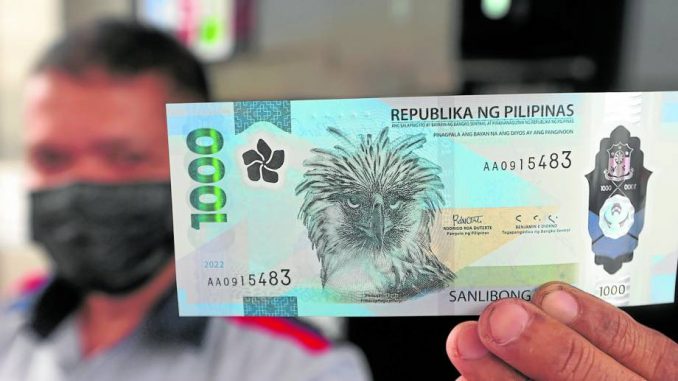
In the world of currency circulation, anti-counterfeiting technology is not only the cornerstone of ensuring financial order, but also the line of defense for maintaining national economic security. With the advancement of science and technology, criminal methods are changing with each passing day, and traditional anti-counterfeiting measures are facing unprecedented challenges. The emergence of optical color-changing pigments has injected new vitality into the design of modern anti-counterfeiting banknotes. With its excellent color-changing effect and difficult-to-replicate characteristics, it has built a high wall and effectively resisted the intrusion of counterfeiters.
Introduction
Optically color-changing pigments are advanced materials that can display rich and varied color effects under different light sources or viewing angles. Since the end of the 20th century, it has gradually become one of the preferred anti-counterfeiting technologies for major central banks around the world when designing new versions of banknotes. By cleverly embedded into the design of banknotes, optical color-changing pigments not only enhance the artistic beauty of banknotes, but also greatly enhance their anti-counterfeiting properties.
Advanced anti-counterfeiting mechanism
1. **Dynamic Color Change**: When the banknote is tilted or the light conditions change, the optically color-changing pigment will show obvious and unpredictable color changes, providing the public with an intuitive identification mark of authenticity.
2. **Fine pattern fusion**: Through microprinting and precise positioning technology, optical color-changing elements are integrated into complex pattern designs, such as national emblems, denomination numbers, etc., making counterfeiting more difficult.
3. **Multi-level anti-counterfeiting**: Combined with other anti-counterfeiting technologies, such as holograms, fluorescence reactions, microtext, etc., to form a multi-dimensional anti-counterfeiting network, making counterfeiting extremely costly and almost impossible to copy.
Technological breakthroughs and application examples
- **Europa Series Euros**: In the new version of the euro issued by the European Central Bank, optical color-changing inks are used extensively. The most notable one is the denomination number, which changes from copper to green at different angles, significantly improving the appearance of the banknotes. level of anti-counterfeiting.
- **RMB**: China's new version of RMB also uses similar technology, such as the radiant light-changing numbers on some coupons of the fifth set of RMB. As the viewing angle changes, the color smoothly switches between gold and green, which is both beautiful and beautiful. Safety.
Social and economic benefits
- **Enhance public confidence**: The application of optical discoloration technology allows ordinary people to easily and quickly verify the authenticity of banknotes, enhancing trust in the currency system.
- **Combating Counterfeit Banknote Crime**: Increases the cost of counterfeiting, effectively inhibits the circulation of counterfeit banknotes, and protects economic security and financial order.
- **Promote technological progress**: The demand for anti-counterfeiting technology has promoted the development of related scientific research and industrial production, and promoted innovation in many fields such as material science and printing technology.
Conclusion
The wide application of optical color-changing pigments in the field of anti-counterfeiting banknotes is the perfect combination of technological progress and innovative thinking. It is not only an art, but also a science, which embodies the unremitting pursuit of human wisdom in maintaining financial security. With the continuous iteration and upgrading of technology, future anti-counterfeit banknotes will be more difficult to copy and more secure and reliable, providing a more solid guarantee for the smooth operation of the global economy. In this process, optical color-changing pigments are undoubtedly the invisible key that protects the Great Financial Wall.