

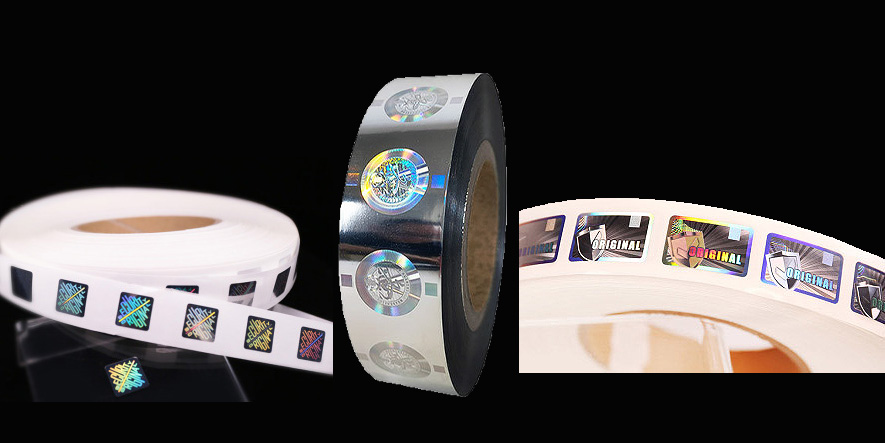
In today's complex and ever-changing market environment, anti-counterfeiting technology has become one of the important means to protect brand value and safeguard consumer rights. Optical color-changing pigments, with their unique visual effects and characteristics that are difficult to copy, have become star materials in the field of anti-counterfeiting labels. This article will delve into the application of optical color-changing pigments in anti-counterfeiting labels and reveal how they can protect product safety.
Optically color-changing pigments are special materials that can display different colors as the viewing angle and light conditions change. This magical changing characteristic not only adds to the beauty of the product, but more importantly, it provides an insurmountable technical barrier for anti-counterfeiting. Anti-counterfeiting labels based on the principle of optical color change can allow ordinary consumers to easily identify authenticity without the need for special equipment, greatly improving the popularity and effectiveness of anti-counterfeiting measures.
Technical principles
The working principle of optically variable pigments is based on the structural properties of the material. When light shines on these pigments, the microstructure inside the pigments will subtly change according to the angle and wavelength of the light, thus showing different colors. The effect can be a gradient from a single color to another, or a rainbow-like transformation of multiple colors. By finely controlling the chemical composition and physical structure of pigments, manufacturers can customize unique color-changing effects and create exclusive anti-counterfeiting labels for each product.
Application advantages
1. **Intuitive and easy to identify**: No professional tools are needed, color changes can be observed with the naked eye alone, increasing the possibility of the public participating in anti-counterfeiting verification.
2. **Difficult to counterfeit**: The complex manufacturing process and unique color-changing mechanism make illegal copying extremely difficult, greatly improving the security level of anti-counterfeiting.
3. **Strong adaptability**: It can be applied to a variety of substrates, including paper, plastics, metals and textiles, etc., and is widely applicable to the product anti-counterfeiting needs of different industries.
4. **Emphasis on both beauty and function**: In addition to its anti-counterfeiting function, optical color-changing pigments can also enhance the visual appeal of product packaging and increase the added value of the brand.
Practical cases
Globally, many well-known brands have successfully applied optical color-changing pigments to their product anti-counterfeiting labels. For example, on the packaging of high-end cosmetics, luxury goods, and electronic products, you can often see anti-counterfeiting signs that display different colors as the viewing angle changes. These labels not only provide consumers with a convenient way to identify authenticity, but also effectively combat counterfeit and shoddy products, protecting the company's intellectual property rights and market reputation.
Conclusion
As an outstanding representative of modern anti-counterfeiting technology, optical color-changing pigments are leading a revolution in the field of anti-counterfeiting labels. With the continuous advancement of science and technology and the diversification of market demand, future optical color-changing pigments will be more intelligent and environmentally friendly, and their application in the field of anti-counterfeiting will also be more extensive and in-depth. For brands, rational use of this high-tech anti-counterfeiting method is undoubtedly a key step to stabilize their position in the fiercely competitive market and win the trust of consumers.