

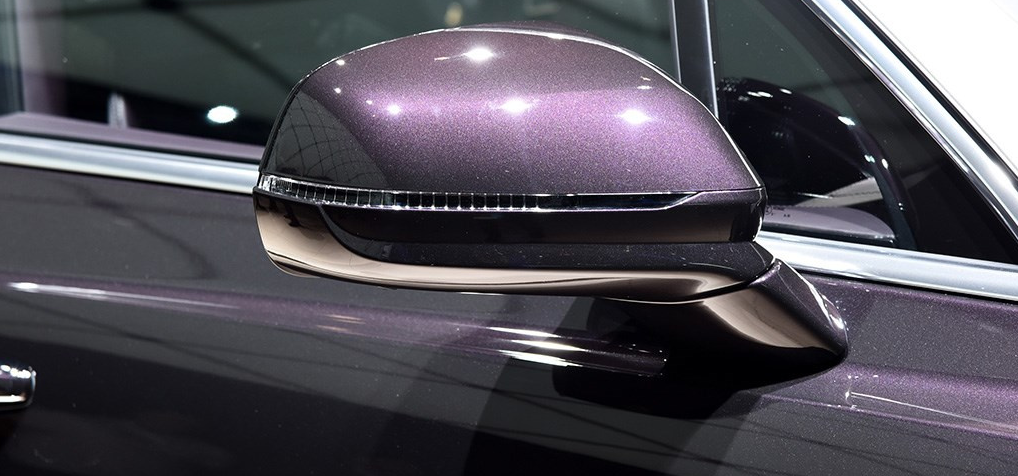
Automotive grade pearlescent pigment is a pearlescent material with high weather resistance achieved through multi-layer coating technology and special surface treatment process. It has extremely high light refractive index, pearlescent effect and viewing angle flash effect. It has passed rigorous artificial aging testing, paint film adhesion, cross-hatch knife inspection and other processes. It also has high weather resistance such as moisture resistance, high temperature resistance and corrosion resistance. and environmental protection performance, it is mainly used in automotive coatings (original automotive OEM paint, high-end repair paint), exterior wall coatings, and other weather-resistant coatings (metallic fluorocarbon paint, coil paint, etc.).
Standard car paint includes an electrophoretic layer, a mid-coat layer, a color paint layer and a varnish layer. The total coating thickness is generally controlled at about 100 microns. In the paint shop of the car factory, a layer of electrophoretic paint film will be attached to the metal body to prevent the metal from rusting, which is what we often call primer.
The intermediate coating is operated in a dust-free environment and is applied on the electrophoretic layer to provide adhesion conditions for the color paint and enhance the anti-corrosion protection of the car body.
Then spray paint, which is the body color we see. Pigments such as pearlescent materials and glittering aluminum powder are mixed in the paint layer to provide covering, color and glitter effects. The varnish mainly improves gloss, weather resistance, chemical corrosion resistance and mechanical scratch resistance.
At first, car topcoat was mainly black single-color paint, and then various colors appeared. Two-coat silver-white topcoat systems (metallic pigments) containing metallic aluminum powder appeared in the 1970s, giving cars a metallic luster and quickly replacing single-color paint systems.
It was not until the mid-to-late 1980s that pearlescent materials began to be used in automotive coatings, becoming the most common effect pigments together with metallic pigments.
In addition, people's increasing emphasis on environmental protection and health will further promote the development of pearlescent materials. Water-based coatings are environmentally friendly and safe, which is the current major trend in coating development. Pearlescent materials are non-toxic, environmentally friendly, and have good water resistance, and can meet and adapt to the preparation requirements of water-based coatings. It can be said that the market space for automotive-grade pearlescent materials is very broad!